

Bloating in Women: Why You're Doing Everything "Right" and Still Bloated by 3 P.M.

Breakfast was sensible. Lunch was the salad you were proud of. And by 3 p.m. your waistband is tight, your stomach feels like a balloon, and you're wondering what on earth you did wrong.
If that pattern sounds familiar, here's the first honest thing: bloating is one of the most common experiences in women's health — and one of the least specific. It's a sensation, not a diagnosis. Dozens of ordinary things feed it, most of them unglamorous, and a few of them genuinely worth a clinician's attention. This page sorts the everyday from the see-someone — and skips the hype. No detoxes. No miracle protocols. Just the pattern, explained.
I'm Nicole, a registered nurse. Education only: this page doesn't diagnose anything and doesn't replace your clinician. It helps you look at your own pattern with clearer eyes.

What bloating actually is
Bloating is the feeling of fullness, pressure, or visible distension in the abdomen. It usually involves some mix of gas production, how your gut moves contents along, and how sensitive your system is to normal amounts of stretch. Two women can eat the same lunch and have completely different afternoons — which is why "just eat clean" isn't an answer, and why your pattern matters more than any generic list.

The everyday drivers (the unglamorous majority)
How you eat, not just what you eat. Eating fast, eating distracted, and talking through meals all pull in extra air. Big fiber jumps — going from low-fiber to a giant raw salad overnight — ferment enthusiastically. Carbonated drinks add gas directly. Sugar alcohols in "sugar-free" products (sorbitol, mannitol) are famous for this and hide in gum, mints, and protein bars.
Constipation. If things aren't moving, they ferment longer and press more. Infrequent, hard, or incomplete stools plus bloating is a pattern worth naming plainly — it's one of the most common and most overlooked drivers, and it responds to the boring basics: fluid, gradual fiber, movement.
Your cycle. Many women bloat predictably in the days before a period — fluid shifts and hormone changes slow the gut down. In perimenopause, those shifts get less predictable, and bloating can show up in new patterns. Cycle-driven bloating that follows a rhythm is usually physiology, not damage. Our Perimenopause Symptoms guide covers that season in full.
Stress. Your gut and your brain are in constant conversation, and stress changes gut movement and sensitivity. The deadline-week bloat that vanishes on vacation is real, and it's information.
Food sensitivities — with an honesty note. Some women genuinely feel better with less lactose, or smaller portions of specific fermentable foods. But be careful with expensive "food sensitivity" panels: the popular IgG-based tests are not considered validated for diagnosing sensitivities, and they often flag foods you eat often rather than foods that harm you. A short, structured experiment — track what you eat and how you feel for two weeks, then test one change at a time — usually tells you more, for free. If a clinician suspects celiac disease, that's a different, specific blood test (done while you're still eating gluten) — worth asking about when the picture fits, not guessing at.

Where labs fit (and where they don't)
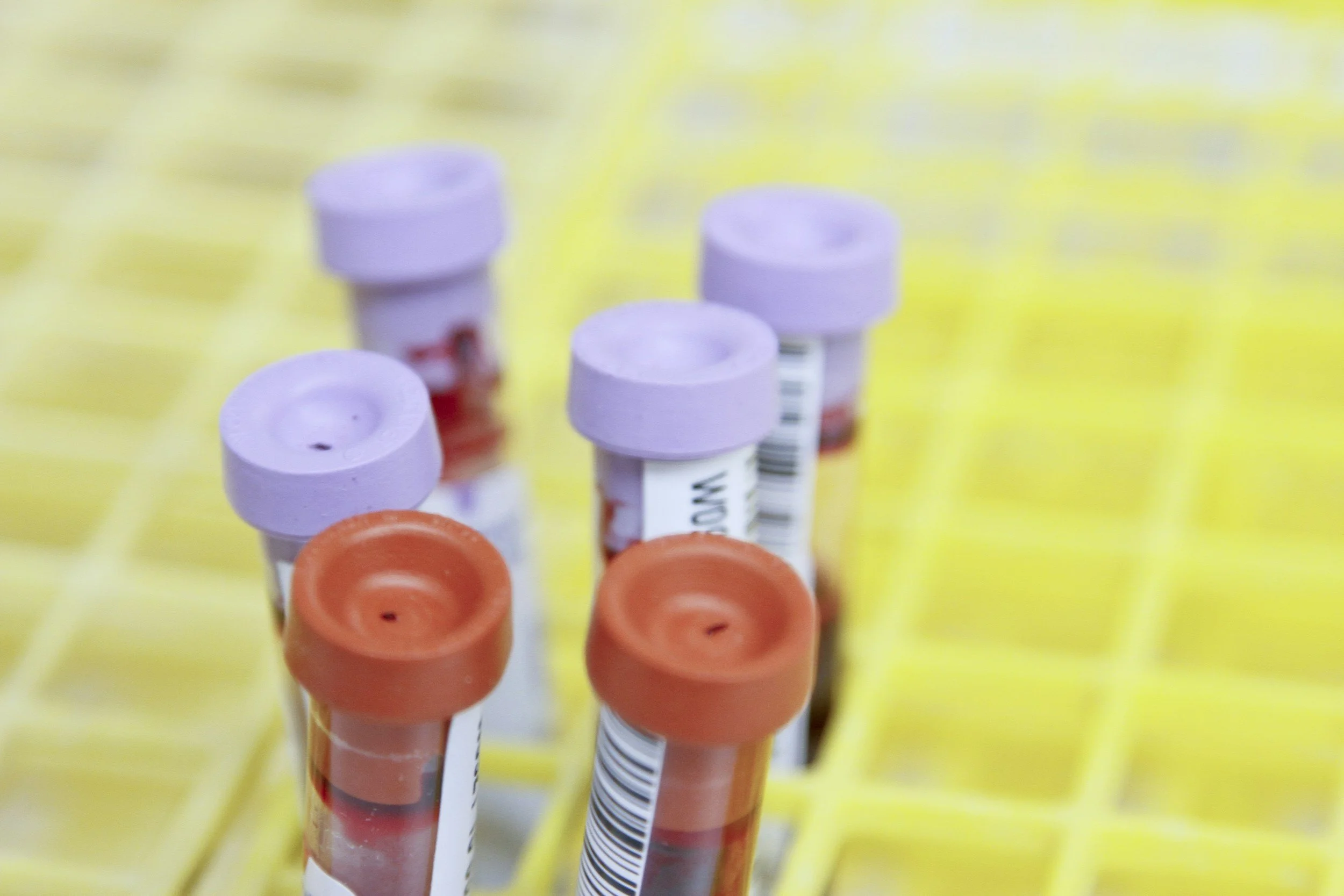
There is no single "bloat test," and anyone selling you one is selling. What testing can do is check the background systems that influence digestion — thyroid function (a sluggish thyroid slows the whole system, gut included), iron status, and general inflammation context — especially when bloating travels with fatigue, cycle changes, or other symptoms. Our fatigue guide, Why Am I So Tired All the Time?, maps how those pieces connect. Labs are supporting evidence in a pattern, never the whole story — and for straightforward everyday bloating, tracking your pattern honestly for two weeks often answers more than any panel.
Try this before you spend anything
Two weeks of notes. Food, timing, stress, cycle day, and a 1–10 bloat score by evening. Patterns jump off the page.
Slow one meal a day down. Twenty minutes, chewing, no phone. Unsexy, effective surprisingly often.
Ramp fiber gradually and spread it across the day instead of one heroic salad.
Walk after meals. Ten minutes genuinely helps things move.
Change one thing at a time. Otherwise you'll never know what helped.
Questions worth bringing to your next appointment
"My bloating follows this pattern (show your notes) — what does that suggest to you?"
"Should celiac screening be part of this, given my symptoms?"
"Could thyroid or anything else systemic be slowing things down?"
"At what point would you want imaging, a scope, or a GI referral?"
"Are any of my medications known for this?"
When to seek care promptly
Bloating deserves in-person care — not self-management — when it comes with: blood in your stool, black stools, unintentional weight loss, persistent vomiting, severe or worsening abdominal pain, fever, a new and persistent change in bowel habits (especially after age 45), a family history of colorectal or ovarian cancer with new persistent bloating, or bloating that is present most days and progressively worsening. Persistent daily bloating is a symptom that deserves a workup, full stop.
If you're not sure where bloating fits in your bigger picture
Bloating rarely travels alone — it shows up next to fatigue, cycle changes, and sleep trouble, and the most useful first step is figuring out which thread to pull first. That's exactly what the free Wellness Check is for: three minutes of questions, and it points you to the focus area (and the testing, if any) that fits your pattern — for digestive focus, that route leads to the Inflammation & Nutrient Insights Journey. No guessing, and no pressure either way.
Your one clear next step: take the free Wellness Check.
Imagine knowing your pattern
Picture this: instead of the 3 p.m. guessing game — was it the salad? the bar? my hormones? — you know your pattern. You know which days of your cycle to expect it, which habits actually move the needle for you, and which signs would send you to a clinician without hesitation. Most everyday bloating gets smaller when it stops being a mystery.
Less guessing. More answers. That's the whole idea here.
Educational information only — not medical advice, diagnosis, or treatment. Nurses Know Life provides education and results review to help you understand your labs and prepare better questions for your own clinician.