

Vitamin B12 & Folate Explained: What the Tests Measure (and Why "Normal" Is a Wide Word)
Two nutrients. One shared job — building healthy blood cells and supporting your nervous system — and a pair of test results that confuse almost everyone who reads them. Your B12 is "normal" at a number another woman feels terrible at. Your folate looks great while your B12 quietly doesn't. And somewhere in the fine print is the reason the two are almost always tested together.
This is the companion to our Vitamin D Testing Explained — same philosophy: understand what the test measures before you decide what to do about it.

I'm Nicole, a registered nurse. Education only: this page doesn't diagnose anything and doesn't replace your clinician. It helps you read two common results with clearer eyes.

What B12 and folate actually do
Vitamin B12 supports red blood cell production, nerve health, and the chemistry behind energy and cognition. Your body can't make it — it comes from food (mostly animal products) or supplements — and your liver stores enough to last a while, which means a deficiency can build slowly and quietly for years before it announces itself.
Folate (vitamin B9; the supplemental form is folic acid) partners with B12 in blood cell production and is essential in early pregnancy for fetal development — the reason it's emphasized for women who could become pregnant.
Because they work the same assembly line, a shortage of either can produce a similar blood picture (larger, immature red blood cells — and eventually anemia). But their differences matter, especially one covered below: folate can "cover" B12's blood symptoms while B12's nerve effects keep progressing. That's not trivia; it's the reason responsible testing checks both.
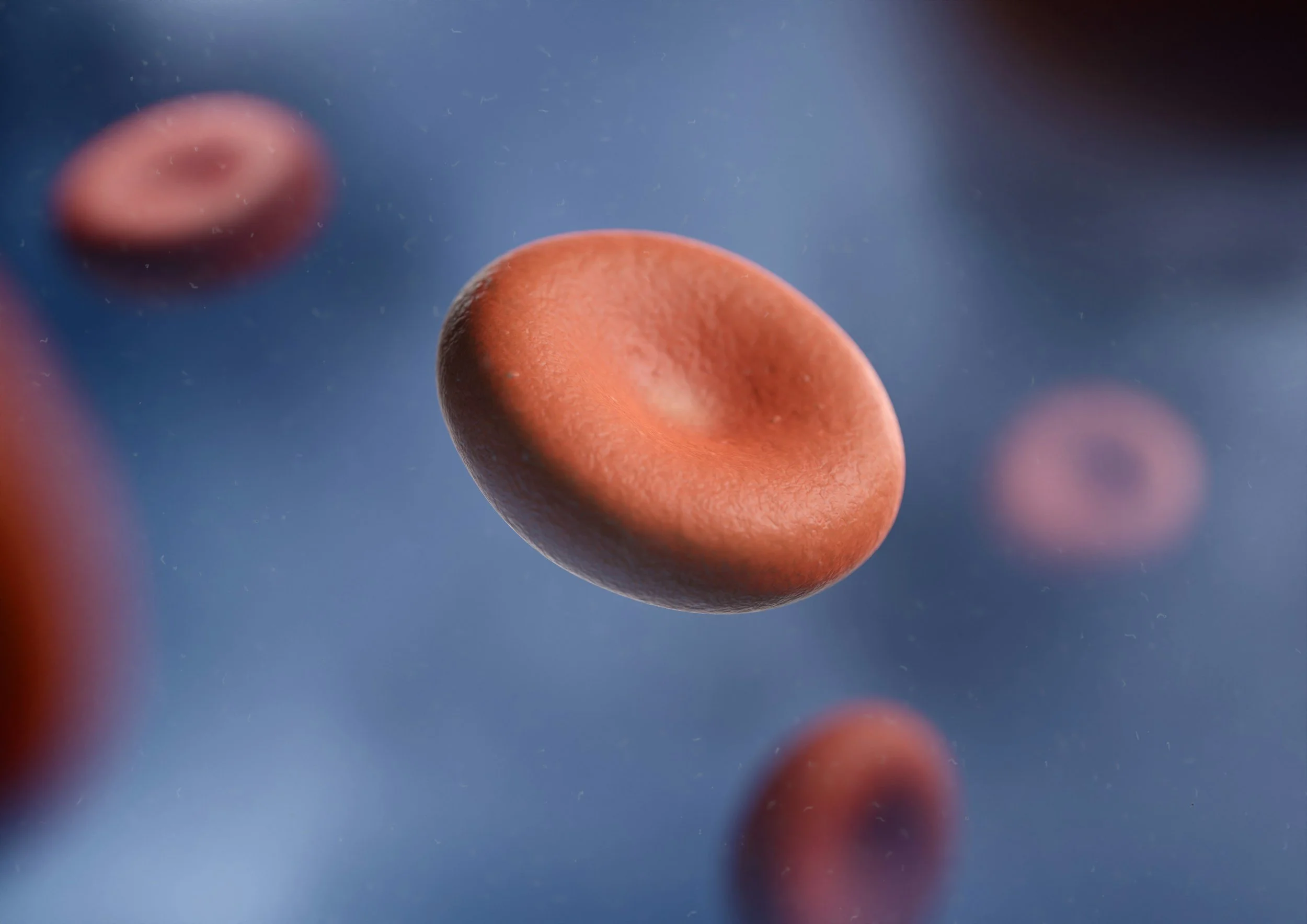
What the tests measure
Serum B12 is the standard first look — the amount of B12 circulating in your blood. It's useful and imperfect: a meaningful share of what's measured isn't in its active form, which is one reason results and symptoms don't always match neatly.
Folate is typically measured in serum (recent intake influences it) and sometimes as red-cell folate (a slower-moving picture). A big folate-rich week can flatter a serum number; context matters.
The supporting cast, when the picture is murky: clinicians sometimes add markers like methylmalonic acid (MMA) and homocysteine, which can rise when B12 is functionally low even if the serum number looks borderline-fine. You don't need to memorize these — just know that "the B12 test" has a second layer when symptoms and numbers disagree, and that disagreement is worth a conversation rather than a shrug.
Why "normal" is such a wide word here
Reference ranges for B12 are broad, and the low end of "normal" is genuinely debated among clinicians. A result can sit inside the printed range while a woman has symptoms that fit a shortage — fatigue, brain fog, low mood, tingling in hands or feet. This doesn't mean every low-normal result explains your symptoms; plenty won't. It means the honest reading of a B12 result is number + symptoms + risk factors, not number alone. (Our Brain Fog in Women page makes the same point from the symptom side.)
Who actually runs low
Women eating mostly plant-based diets — B12 comes overwhelmingly from animal foods; this is a planning fact, not a judgment.
Anyone on acid-suppressing medication (common reflux medicines) or metformin — both can reduce B12 absorption over time.
Women with digestive conditions or surgeries affecting absorption — celiac, Crohn's, gastric bypass, and similar histories.
Women in their 40s and beyond — stomach acid and absorption efficiency commonly decline with age.
Pregnancy and breastfeeding, when demand for both nutrients climbs — and where folate status matters for the baby as well as the mother.
Heavy alcohol use, which interferes with both nutrients.

Symptoms, when they appear, tend to overlap with a dozen other things: fatigue, fog, low mood, pale skin, a sore tongue, tingling or numbness. That's precisely why testing beats guessing — these two are cheap to check and genuinely actionable when they're low. Our fatigue guide, Why Am I So Tired All the Time?, puts them on the full map.
The folate-masking point, once more (because it matters)
If you take high-dose folic acid or a B-complex with heavy folate while your B12 is low, the blood-cell symptoms of B12 deficiency can improve — while the nerve effects of low B12 continue quietly. Tingling, numbness, balance changes, or memory problems are not self-manage symptoms: they deserve a clinician promptly, and B12 status belongs in that conversation. It's also the practical reason that when you test one of these nutrients, you test the pair.
Questions worth bringing to your next appointment
"Can we look at my actual B12 number — not just whether it's in range — alongside my symptoms?"
"Given my diet / medications / history, am I in a higher-risk group for low B12?"
"If my B12 is borderline and I have symptoms, would MMA or homocysteine add anything?"
"Were B12 and folate both checked? If one is low, what's the retest timeline?"
"Could anything else explain these symptoms if both come back solidly fine?"
When to seek care promptly
Talk to a clinician promptly — don't supplement-and-wait — for numbness or tingling in hands or feet, balance problems or falls, noticeable memory or thinking changes, a swollen or painful tongue with fatigue, or fatigue paired with pallor and shortness of breath. Nerve symptoms are the ones with a clock on them.
If you'd rather look at the data first
Through Nurses Know Life's Wellness Shop, the pair is available as a self-directed single-marker test — no appointment required to order:
B12 + Folate test ($13.00) — both markers together, the way they should be read.
Honest pricing: a $9.50 physician authorization fee and a lab collection fee (around $10) apply at checkout, and availability varies by state. Single-marker tests don't include interpretation — if your results raise questions, that's what a Lab Results Review or one of the Lab Journeys (which bundle testing with my personal review and a plain-language plan) is for.
Your one clear next step: explore the Lab Journeys and the single-marker tests, and see what fits.
Not sure nutrients are your focus area at all? The free, 3-minute Wellness Check helps you identify where to start.
Imagine reading the pair like a pair
Picture this: instead of a lone B12 number and a vague "you're fine," you see both results together, alongside your symptoms and your risk factors — and you know what the number can and can't say. If something's low, it's one of the most fixable findings in all of lab work. If both are solid, you've closed two doors for thirteen dollars and can look elsewhere with confidence.
That's the whole point of learning your labs: less guessing, more answers.
Educational information only — not medical advice, diagnosis, or treatment. Nurses Know Life provides education and results review to help you understand your labs and prepare better questions for your own clinician.